A lot of people want support for stress and recovery that feels natural, practical, and realistic.
They do not necessarily need another extreme routine. They need something they can actually use in the middle of a full life.
That is why herbal support for stress and recovery can be so helpful.
Herbs offer a gentler, more grounded way to support the body. They can fit into daily life through tea, cooking, body care, and simple rituals that help you feel more nourished and less depleted. For busy professionals, leaders, and high achievers, that kind of support can make wellness feel more doable.
What Herbal Support for Stress and Recovery Means
Herbal support for stress and recovery is the intentional use of herbs to help support the body during demanding seasons of life.
That can look like:
- herbal teas
- culinary herbs in meals
- infused oils
- calming evening rituals
- warming daily practices
- sensory self-care that helps the body shift out of constant output
This is not about dramatic promises or turning your life into a complicated wellness science project.
It is about using plants in simple, supportive ways that help daily life feel more steady.
Why Herbs Can Be Helpful for Busy Professionals
Busy people often wait until they are deeply depleted before they start paying attention to recovery.
By then, everything feels harder.
Herbs can be helpful because they invite support into the ordinary. They do not always require a full reset or a grand wellness plan. They can be part of how you care for stress while life is still moving.
For example:
- a calming tea in the afternoon instead of pushing straight through
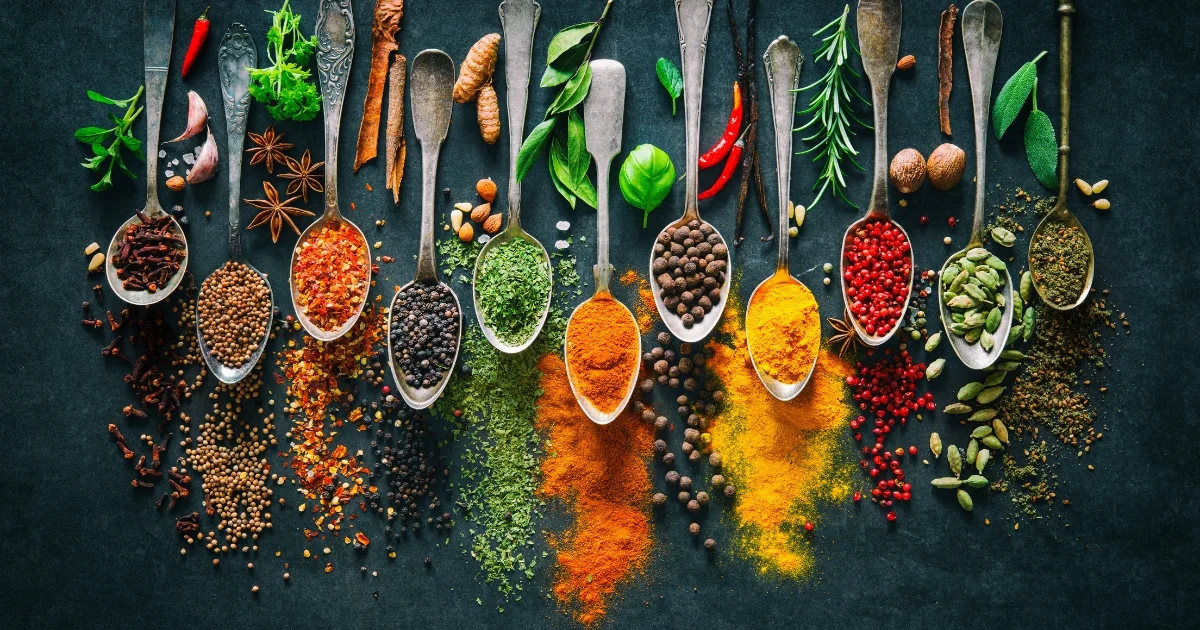
- rosemary, basil, ginger, or turmeric worked into meals
- a slower evening routine that helps the nervous system come down
- botanical body care that makes a shower feel more restorative
- daily rituals that create a little more rhythm and regulation
This is where herbal wellness becomes practical instead of precious.
Herbs as Part of a Larger Recovery Strategy
Herbs are not meant to do all the work alone.
They are most useful when they are part of a bigger pattern of support.
That may include:
- consistent meals
- hydration
- better sleep support
- nervous system regulation
- recovery rituals
- more intentional transitions between work and rest
In other words, herbs work beautifully inside a life that is learning how to support itself more honestly.
Simple Herbal Support That Fits Real Life
You do not need an elaborate setup to begin.
A more realistic herbal approach might include:
1. Start with tea
Tea is one of the easiest ways to bring herbs into your day. A simple tea ritual can create a moment of pause while also supporting the body.
2. Use herbs in food
Fresh herbs and warming spices do more than make meals taste better. They can turn ordinary food into a more supportive part of your routine.
3. Pair herbs with rhythm
Herbal support works best when it becomes part of a repeated pattern. The body tends to like consistency more than random wellness enthusiasm.
4. Use sensory rituals
Herbal body oil, steam, bath rituals, and aromatic herbs can help recovery feel more embodied and less theoretical.
5. Keep it simple
You do not need twenty new products. One tea, one evening ritual, and one more nourishing meal is already a meaningful beginning.
A More Grounded Relationship With Wellness
One of the things I love about herbs is that they change the tone of wellness.
They invite observation, rhythm, sensory awareness, and a more relational kind of care. For people who live fast, lead a lot, and spend much of life in performance mode, that shift can be powerful.
Support does not always need to be loud.
Sometimes it looks like tea, herbs, a slower exhale, and a body that finally feels considered.
If you want a more grounded and practical approach to stress support, recovery, and everyday wellness, explore my coaching and wellness offerings for high achievers.

Samantha Jones
Author, Clinical Herbalist, Performance & Wellness Coach. Helping high-performers find balance through food, herbs, and practical systems.