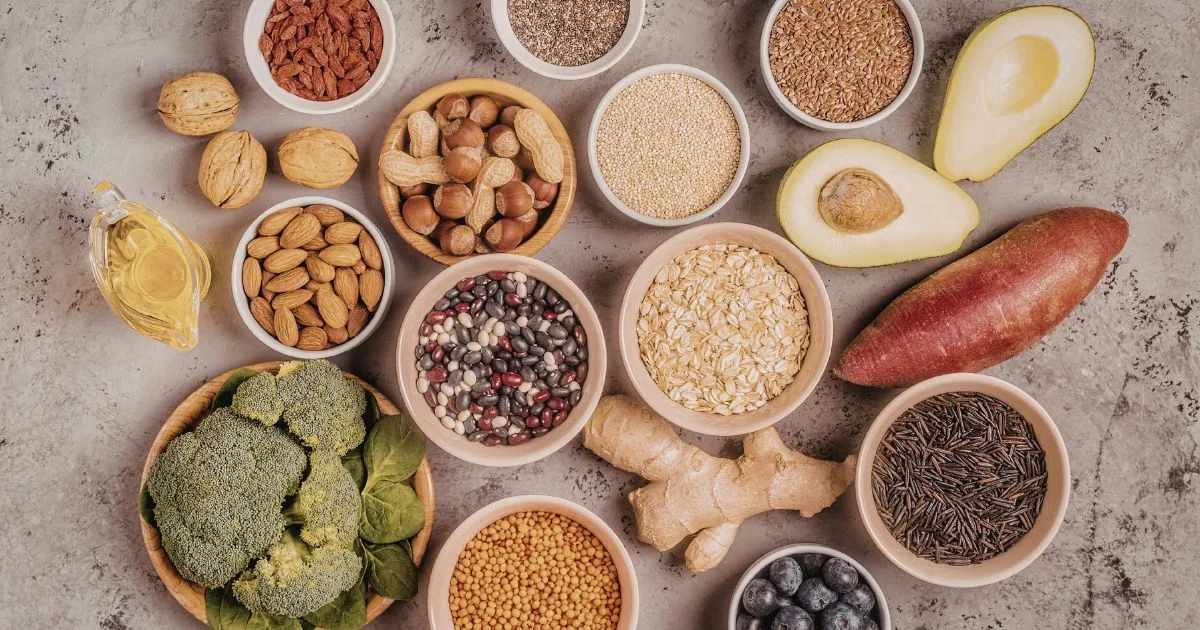
For a lot of busy professionals, food lives in one of two categories: tightly controlled or barely considered.
Either you are trying to “be good,” or you are grabbing whatever works and promising yourself you will get back on track later.
Neither approach feels especially supportive.
A more practical food as medicine approach offers something steadier. It is not about rigid rules or perfect eating. It is about understanding that what you eat can support your energy, focus, recovery, and resilience in meaningful ways.
And for people carrying a lot, that matters.
What Does Food as Medicine Mean?
Food as medicine means using everyday nourishment to support how you feel and function.
It does not mean every meal has to be flawless. It does not mean food replaces medical care. And it definitely does not mean turning your kitchen into an exhausting health experiment with seventeen powders and a spreadsheet.
It means looking at food as daily support.
The meals, snacks, herbs, and rhythms you return to most often can influence:
- energy
- focus
- mood
- blood sugar stability
- digestion
- inflammation
- recovery
- overall resilience
That is a powerful opportunity hiding in plain sight.
Why Busy Professionals Often Struggle With Nourishment
Most busy people are not failing because they do not care.
They are under-supported, overextended, and trying to feed themselves in the margins of very full days.
That often leads to patterns like:
- skipping meals
- relying on caffeine instead of food
- waiting too long to eat
- eating in a rushed or distracted state
- ending the day overly hungry
- craving quick energy because the body is trying to compensate
This is usually not a willpower problem.
It is a systems problem.
A Practical Food as Medicine Approach
The best food as medicine approach is one you can actually live with.
For most people, that starts with a few supportive basics.
1. Build meals that protect energy
Meals with protein, fiber, healthy fats, and plant foods are often more supportive of energy and focus than meals that spike quickly and disappear just as fast.
2. Stop asking your body to run on fumes
If you regularly go too long without eating, your body will usually ask louder later with cravings, irritability, low focus, or the kind of energy that makes you want snacks and a personality transplant.
3. Think support, not punishment
Food works better when it is approached as care rather than control.
4. Use herbs and simple ingredients well
Fresh herbs, colorful vegetables, mineral-rich foods, healthy fats, warming teas, and steady protein can go a long way in supporting stress resilience and recovery.
5. Make nourishment easier
Prepared ingredients, simple formulas, and a few reliable meals reduce friction. Wellness gets much more doable when dinner is not a nightly identity crisis.
Foods That Commonly Support Energy, Focus, and Recovery
This will vary by person, but many people benefit from building meals around:
- quality protein
- greens and colorful vegetables
- berries and other antioxidant-rich produce
- healthy fats like olive oil, avocado, nuts, and seeds
- whole-food carbohydrates for steadier energy
- herbs and spices such as ginger, rosemary, cinnamon, turmeric, basil, or mint
- adequate hydration and mineral-supportive foods
Again, not because every plate needs to win an award.
Just because the body tends to do better when it receives consistent support.
Food Does Not Need to Become Another Stressor
One of the most important things I teach is that nourishment should make life feel more supported, not more controlled.
If your approach to food is making you more anxious, more rigid, or more disconnected from your body, it may be time for a different model.
Food can be practical. Grounding. Healing. Enjoyable. Efficient. Supportive of performance. Supportive of calm. Supportive of recovery.
That is a much more useful relationship.
Start Simple
If you want to begin using food as medicine in a more realistic way, start here:
- eat earlier than your stress tells you to
- build one more balanced meal each day
- keep quick supportive staples on hand
- add herbs and color where you can
- notice how different meals affect your energy and focus
- choose consistency over intensity
Small changes done consistently are often far more powerful than dramatic resets that disappear by Thursday.
If you want a more practical and nourishing approach to energy, recovery, and wellness, explore my coaching and wellness resources. This work is designed to help high achievers build support that feels real in everyday life.

Samantha Jones
Author, Clinical Herbalist, Performance & Wellness Coach. Helping high-performers find balance through food, herbs, and practical systems.